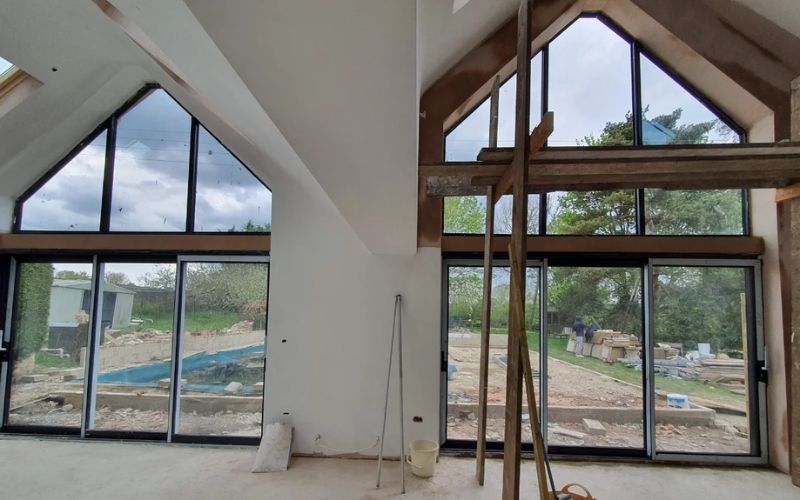

Innovations in Modern Construction Materials: Building Stronger and Smarter
Building a house or any large building is about more than just making it look nice. It’s also about using the right materials to make sure the building stays strong and lasts a long time. In the past, builders mostly used basic materials like wood, stone, and steel. But today, there are many new materials that make construction safer, smarter, and more efficient. These new materials help builders create buildings that are stronger and better for the environment. At Statim Build, we always look for the best materials to make buildings that last longer and are more energy-efficient. In this article, we will look at some of the exciting new materials that are changing the construction industry. What Are Modern Construction Materials? Modern construction materials are the new and improved materials used in today’s building projects. These materials are stronger, last longer, and help protect the environment. They are things like special concrete, recycled materials, and eco-friendly building products. Let’s explore some of the most important new materials. Concrete That Can Heal Itself Concrete is one of the most common materials in construction. But there’s always been one problem: concrete can crack over time. A new type of concrete, called “self-healing” concrete, can fix itself when it cracks. Inside the concrete are tiny capsules. When cracks form, these capsules release a healing agent that fills the cracks. This makes the concrete last longer and stay strong. This type of concrete is used in roads, bridges, and even homes. With this concrete, you don’t need to worry as much about small cracks forming over time. It can save you money because you won’t need as many repairs. Another kind of concrete is called ultra-lightweight concrete. It is much lighter than regular concrete, which makes it easier to transport and work with. This is great for builders because it cuts down on the cost of shipping and handling. Sustainable Materials for a Greener Future Today, many builders are focusing on using materials that are better for the planet. These materials help reduce waste and make buildings more eco-friendly. One great example is recycled steel. Steel is very strong, and builders use it in many buildings. However, making steel from raw materials takes a lot of energy. Recycled steel helps reduce the energy needed to make new steel. Another material being used more often is recycled plastic. Builders use plastic waste to make new materials like bricks and panels. These materials are just as strong as new ones, and they help reduce plastic waste. Cross-laminated timber (CLT) is another new material. CLT is made by gluing together layers of wood to create strong, thick panels. This wood is a more sustainable choice compared to concrete or steel. Plus, it’s faster to build with and much lighter. Smart Glass for Better Energy Use One important part of modern building is making sure the building uses energy wisely. Smart glass is a new material that helps save energy. This glass can change its color depending on the temperature and light outside. This helps control how much heat and light come into the building. On hot days, the glass darkens to keep the heat out. On cold days, the glass becomes clear to let in more light. This helps keep buildings comfortable without using too much energy to heat or cool them. Smart glass is used in windows, skylights, and sometimes even on the outside of buildings. 3D Printing: The Future of Building 3D printing is one of the most exciting new technologies in construction. Builders are already using 3D printers to create buildings. The printer builds the walls layer by layer, using a special material. This new way of building is fast and precise. It also reduces the amount of waste created during construction. The best part? 3D printing can use recycled materials to build structures. This makes it cheaper and more eco-friendly. 3D printing also allows builders to create complex shapes and designs that would be hard to make with traditional methods. Better Insulation Materials Good insulation is important for keeping buildings warm in winter and cool in summer. There are new types of insulation that are better for energy efficiency. One of the best new insulation materials is aerogel. Aerogel is a very light material that works well as insulation. It’s thinner than regular insulation, so it’s great for places with limited space. Another good choice is spray foam insulation. Spray foam expands to fill cracks and gaps in walls, preventing heat from escaping. This makes buildings more energy-efficient and saves money on heating and cooling. Steel and Aluminum Innovations Steel and aluminum are still important in construction. Today, new types of steel and aluminum make buildings stronger and lighter. For example, high-strength steel is used to make thinner, stronger walls. This saves space without losing strength. Aluminum is also being used in windows and doors. Lightweight aluminum is strong and helps reduce the overall weight of a building. These materials allow builders to create taller, stronger buildings without worrying about the weight. How Technology Helps Improve Materials Technology is helping create smarter materials. Some new materials come with built-in sensors. These sensors can track things like temperature or cracks in the structure. This makes it easier to check if a building is in good shape. If something goes wrong, the building can send a warning before the problem gets worse. For example, smart concrete can tell if cracks are forming. Builders can fix the cracks before they spread, keeping the building safe and strong for longer. What’s Next for Construction Materials? In the future, we can expect even more amazing materials. Some experts believe that carbon nanotubes will become common in construction. These tiny materials are incredibly strong and lightweight. They could help make buildings even more durable and energy-efficient. We may also see buildings that can heal themselves. With new materials, buildings might be able to fix damage automatically, without the need for repairs. This could change how we think