
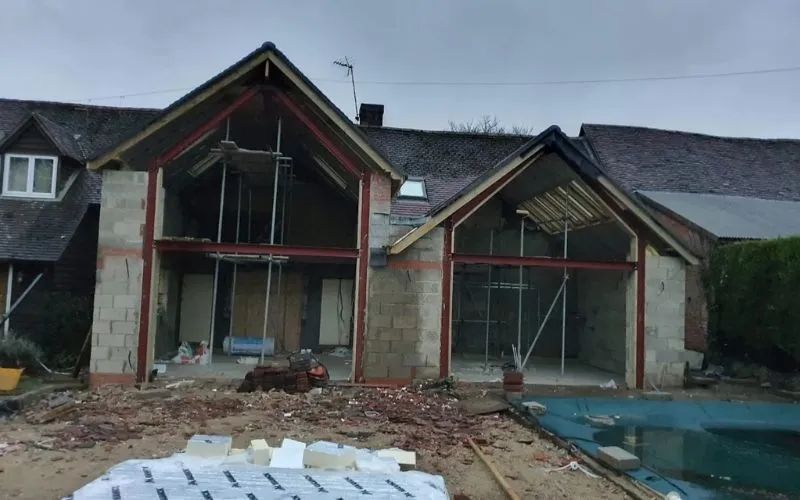
At Statim Build, we believe that the first step in any construction project is to create a solid plan. Whether you’re building a new house, office, or doing a renovation, the process starts with planning and drawing. These steps are very important in turning your ideas into something that can actually be built. In this blog, we will explain why planning and drawings are important, and how they help transform your ideas into designs that are ready for building.
What Are Planning and Drawings?
Planning and drawings are the first steps in any construction project. Planning is when you decide what you want to build and how it will be done. Drawings are detailed plans that show exactly what your project will look like and how it will be built. These two things are important because they help everyone working on the project understand what needs to be done. Without proper planning and drawings, a project can face problems like delays, mistakes, and extra costs. Having a good plan and accurate drawings will help the project go smoothly.
Why Are Planning and Drawings Important?
Planning and drawings are crucial because they act as a guide throughout the entire project. They show the design, the materials needed, and the method of building. These documents make sure everyone involved in the project is on the same page. With proper planning and drawings, a project is more likely to finish on time and within budget.
Planning Process
The planning phase is the first step in any construction project. It means taking your ideas and creating a clear plan. Here’s how the planning process works:
1. Understand Your Needs
The first step in planning is to understand what you want. Do you want to build a house, a business space, or maybe do a renovation? What are the most important things you need in the space? What’s your budget? These are all important questions to ask before moving forward with the planning.
Why This Is Important:
Helps define the project’s size and scope.
Ensures the design meets your needs.
Sets a clear budget from the beginning.
2. Set a Budget
The next step is deciding how much you are willing to spend. The budget will help guide the project by showing what is possible within your financial limits. It’s also important to plan for extra costs that might come up.
Why This Is Important:
Keeps the project within your financial limits.
Prevents unexpected expenses from causing delays.
Helps make decisions about materials and design.
3. Choose the Location and Design Style
For many projects, location matters a lot. If you are building a home, you need to think about the space, views, access, and local rules. You also need to pick a design that fits your taste and budget.
Why This Is Important:
The location and design will affect the value of the project.
The style should reflect your preferences and lifestyle.
Local regulations need to be followed before construction starts.
4. Permits and Regulations
Before you start building, you must check the local rules and get the right permits. Permits are necessary to make sure the project is safe and follows the law. You’ll need approval from local authorities before you begin.
Why This Is Important:
Keeps your project legal and follows all building codes.
Prevents delays or fines from missing permits.
Makes sure the building is safe for everyone.
The Drawing Process: Turning Ideas into Visual Plans
Once the planning is done, the next step is creating the drawings. Drawings are detailed visual plans that show what the final project will look like. These drawings are also known as blueprints. Let’s look at the process of creating these important drawings.
1. Initial Sketches and Concept Designs
Before making the final drawings, designers usually create rough sketches or concept designs. These early drafts are used to explore ideas and give a sense of what the project might look like. You and the designer can change the design until it’s just right.
Why This Is Important:
Helps bring the vision to life before finalizing the design.
Provides flexibility to make changes.
Gives a better idea of how the design will work in reality.
2. Creating Detailed Plans
Once the concept design is agreed upon, the next step is to create detailed drawings. These include floor plans, elevations, and site plans. The detailed drawings include exact measurements, the materials to be used, and how the structure will be built.
Why This Is Important:
Gives contractors, engineers, and everyone involved clear instructions on how to build.
Shows exact sizes, materials, and methods for the construction.
Provides a guide for building the project from start to finish.
3. Structural Drawings
Structural drawings focus on the strength and stability of the building. They show how the foundation, beams, supports, and other parts of the building will be built to make sure it is safe and solid.
Why This Is Important:
Ensures the building is safe and sturdy.
Prevents problems with the structure during or after the build.
Required for permits and safety checks.
4. Electrical, Plumbing, and HVAC Drawings
These drawings show how the electrical systems, plumbing, and HVAC (heating, ventilation, and air conditioning) will be set up. These are essential for ensuring everything works properly once the building is finished.
Why This Is Important:
Ensures that the electrical, plumbing, and HVAC systems work well together.
Helps contractors install systems correctly.
Provides a guide for future repairs or maintenance.
Turning Your Drawings into Build-Ready Designs
After you have your plans and drawings, it’s time to start building. This stage involves working closely with contractors, engineers, and builders. Let’s see how the designs become a reality.
1. Reviewing and Approving Plans
Before construction starts, the plans and drawings need to be reviewed and approved. This ensures that everything complies with local regulations and building codes. If needed, you can make changes before construction begins.
Why This Is Important:
Makes sure everything meets local rules.
Allows you to make any final changes.
Prevents delays or legal problems later in the process.
2. Hiring the Right Professionals
The next step is to hire the right professionals. You will need contractors, specialists, and skilled workers to make the project happen. The right team will help bring your drawings to life and make sure everything is done correctly.
Why This Is Important:
Makes sure the project is completed on time and within budget.
Helps ensure quality construction.
Gives you the expertise needed for a successful project.
3. Construction Begins
Once everything is in place, construction can begin. The contractors will follow the detailed plans to build the project. During this stage, there might be some adjustments or issues that need to be handled.
Why This Is Important:
Makes sure the project follows your vision and plans.
Keeps the construction process on track.
Guarantees that the final result matches the design.
Benefits of Good Planning and Drawings
1. Clear Communication
Good planning and drawings ensure that everyone understands the project. This reduces confusion and helps prevent mistakes during construction.
2. Saves Time and Money
With clear plans and drawings, the project is more likely to stay on schedule. This reduces the chances of expensive mistakes or changes that can delay the project.
3. Legal and Safety Compliance
Planning and drawings make sure the project follows all the local building rules. This keeps the project safe and legal and prevents any fines or legal issues.
4. Better Quality
Detailed planning and drawings result in better-quality buildings. The design is well thought out, and the plans help everyone do their job correctly.
Conclusion
Good planning and detailed drawings are key to turning your ideas into real designs that can be built. At Statim Build, we help you create the right plans and drawings to ensure your project runs smoothly and is completed to your satisfaction. Whether you’re building a home, office, or renovation, planning and drawings are the foundation of a successful construction project. Let us help you turn your vision into reality!
FAQs
1. What is the difference between planning and drawings?
Planning is deciding what to build and how to do it. Drawings are detailed designs that show how to build it.
2. How long does the planning and drawing process take?
It can take anywhere from a few weeks to several months, depending on the complexity of the project.
3. Why are detailed drawings necessary?
They provide exact measurements and instructions, which reduce mistakes and ensure the building is built correctly.
4. Do I need permits for my project?
Yes, most projects require permits to make sure the building is safe and legal.
5. Can I change the design after the drawings are made?
Changes can be made, but it’s best to do it early to avoid delays and extra costs.