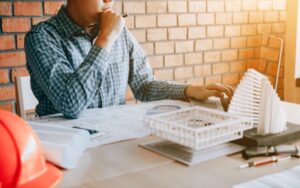

Building homes and buildings that are good for the environment is important today. At Statim Build, we care about sustainable building practices that make our planet better. This blog will show you how to build greener, smarter, and more efficient buildings. We will explain what sustainable building means, why it is important, and how you can make your building smarter and greener.
What Is Sustainable Building?
Sustainable building is when you design and build homes or buildings in a way that protects the environment. This includes using materials that are good for nature, saving energy, and making buildings more efficient.
When we talk about sustainable building practices, we mean:
- Using resources
- Reducing waste
- Saving energy
- Choosing eco-friendly materials
Sustainable buildings are built to be better for the planet. They also make life better for the people inside them by being healthier and more comfortable.
Why Are Sustainable Building Practices Important?
Sustainable building is important for many reasons. Here are the main benefits:
1. Lower Energy Bills
Sustainable buildings use less energy, which means cheaper electricity and heating bills. This can save a lot of money over time.
2. Protecting the Environment
When you build sustainably, you use fewer materials, produce less waste, and pollute the environment less. This helps protect the Earth for future generations.
3. Healthier Air
Sustainable buildings often use materials that are safe and do not release harmful chemicals. This makes the air inside the building cleaner and healthier for people.
-
Long-Term Savings
While sustainable buildings may cost more at first, they are cheaper to maintain and run over time. You save money on energy and repairs.
5. Higher Property Value
Sustainable buildings are often worth more. This is because they are energy-efficient and better for the environment. Many people are looking for homes and buildings that are good for nature and save money.
Key Sustainable Building Practices
There are many ways to make buildings more sustainable. Here are some of the most important practice that can help you build smarter and greener:
-
Use Sustainable Materials
One of ththe first steps to building a sustainable home is to choose the right materials. Sustainable materials are eco-friendly and last longer. Some examples are:
Bamboo: A fast-growing, renewable material.
Recycle Steel: Steel that can be used again and again.
Reclaimed Wood: Wood from old buildings that can be reused.
Recycled Glass and Plastic: These materials can be used in counter tops and floors.
Natural Insulation: Materials like wool, cotton, and hemp that help keep buildings warm and reduce energy use.
2. Energy Efficiency
Energy efficiency means using less energy to do the same things. Sustainable buildings are designed to use less energy, which is better for the environment and saves money.
Here are ways to improve energy efficiency:
Energy-efficient Windows: These windows help keep the building warm in winter and cool in summer. This reduces heating and cooling costs.
Solar Panels: Solar panels turn sunlight into electricity. This can reduce the need for other eneenergy sources.
Energy-efficient HVAC Systems: Heating, ventilation, and air conditioning (HVAC) systems that use less energy help cut energy costs.
LED Lighting: LED lights use less energy and last longer than regular bulbs, which helps save money on electricity.
3. Water Conservation
Water is precious, and we must use it wisely. There are many ways to save water in a sustainable building.
Some tips for saving water include:
Low-flow Faucets and Showers: These fixtures use less water but still work well.
Rainwater Harvesting: Collecting rainwater can be used for things like watering plants or flushing toilets.
Water-efficient Landscaping: Choosing plants that don’t need much water can save a lot of water in the long run.
4. Efficient Use of Space
Sustainable buildings make the best use of the space inside them. By using space efficiently, you reduce the need for extra materials and make the building more comfortable for the people inside.
Here are some ways to use space efficiently:
Open Floor Plans: Large, open spaces allow you to use rooms for many purposes.
Multi-purpose Rooms: Rooms that can serve more than one function, such as a guest room and a home office combined.
Natural Light: Designing buildings to use as much natural light as possible reduces the need for artificial lighting during the day.
5. Sustainable Construction Practices
Building sustainably doesn’t just mean using eco-friendly materials. It also means having smart construction practices that reduce waste and energy use.
Some construction practices to consider:
Use Prefabricated Materials: These materials are made in factories and can be used quickly, reducing waste on-site.
Buy Local Materials: Materials that are locally sourced don’t need to be transportedted long distances, which reduces energy use.
Waste Reduction: Recycling materials and minimizing waste during construction is key to sustainable building.
-
Green Roofing
Green roofs are becoming popular in sustainable building. A green roof is a roof that is covered with plants. These roofs help keep buildings cool, reduce pollution, and improve air quality. They also help insulate the building, so you need less energy to heat or cool it.
-
Smart Technology
Smart technology helps make buildings more energy-efficient and sustainable. Smart devices allow you to control things like temperature and lighting from your phone or computer.
Examples of smart technology incinclude:
Smart Thermostats: These devices adjust the temperature based on your schedule, so you don’t use energy when you don’t need it.
Home Automation: Smart home systems let you control heating, lights, and even security from your phone, saving energy.
Steps to Build a Sustainable Home or Building
Building a sustainable home is easier than you think. Here are the sthesteps to take:
Step 1: Plan for Sustainability
Start by thinking about sustainability from the beginning. Talk to your architect or builder about using sustainable building practices.
Step 2: Choose Sustainable Materials
Pick materials that are good for the environment. Look for materials that are renewable, recyclable, or made to last a long time.
Step 3: Use Energy-Efficient Systems
Make sure your building includes things like solar panels, energy-efficient windows, and go insulation. These features help reduce energy use.
Step 4: Install Water-saving Features
Use low-flow faucets, rainwater harvesting systems, and water-efficient landscaping to conserve water.
Step 5: Reduce Waste During Construction
Recycle materials and try to use as little waste as possible during construction. You can also reuse old building materials to help reduce waste.
Step 6: Maintain Sustainability After Construction
Once the building is finished, continue to use energy-efficient systems and sustainable practices. Smart techcan help you monitor and reduce energy use.
Conclusion
Building sustainably is important for the planet and for saving money. By using sustainable building practices, you can create buildings that are energy-efficient, good for the environment, and comfortable. At Statim Build, we help people build marter, greener homes and buildings that last a long time.
Frequently Asked Questions (FAQs)
-
What is sustainable building?
Sustainable building is about creating buildings in ways that protect the environment. It includes using eco-friendly materials, saving energy, and reducing waste.
-
Why is it important to build sustainably?
Sustainable building helps protect the environment, saves money on energy, and creates healthier living spaces.
3. How can I make my home more sustainable?
You can make your home sustainable by using energy-efficient appliances, installing solar panels, using eco-friendly materials, and saving water.
4. What are the benefits of sustainable buildings?
Sustainable buildings are cheaper to run, better for the environment, healthier to live in, and can increase property value.
5. Is sustainable building expensive?
Sustainable building might cost more to start, but it saves money in the long run through lower energy costs and less maintenance.